99 AI Founders: Stop Calling Everything a Wrapper

Over the past several months, I’ve been in conversations with over 99 AI founders — early-stage builders, repeat founders, and teams raising their first rounds.
One question comes up more than any other.
“Is this just another wrapper?”
At first glance, it’s a reasonable filter.
The first generation of AI startups was largely built around the same structure: connect to a frontier model, build a cleaner UI, package prompts and workflows, sell productivity.
That layer was real.
And much of it will probably disappear.
But across those conversations, the same pattern kept appearing:
Founders who built around model capability were pivoting.
Founders who built around context and workflow continuity were growing.
The wrapper question is becoming the wrong abstraction for evaluating what’s actually being built now.
Because the hard problem in AI has quietly shifted.
The hard problem is no longer generation.
MIT’s 2025 State of AI in Business study found that 95% of generative AI pilots fail to scale to production.
RAND Corporation puts the overall AI project failure rate at 80%.
The common assumption is that this is a model quality problem.
IT ISN’T.
MIT’s own analysis found that failures stem not from model capability, but from poor workflow integration and the absence of persistent operational context.
The model can generate.
The system can’t remember.
Most AI systems today are still fundamentally stateless.
Every prompt starts from zero.
Every workflow loses historical continuity.
Every agent behaves like it has no memory of the organization, the users, the product state, or the execution history around it.
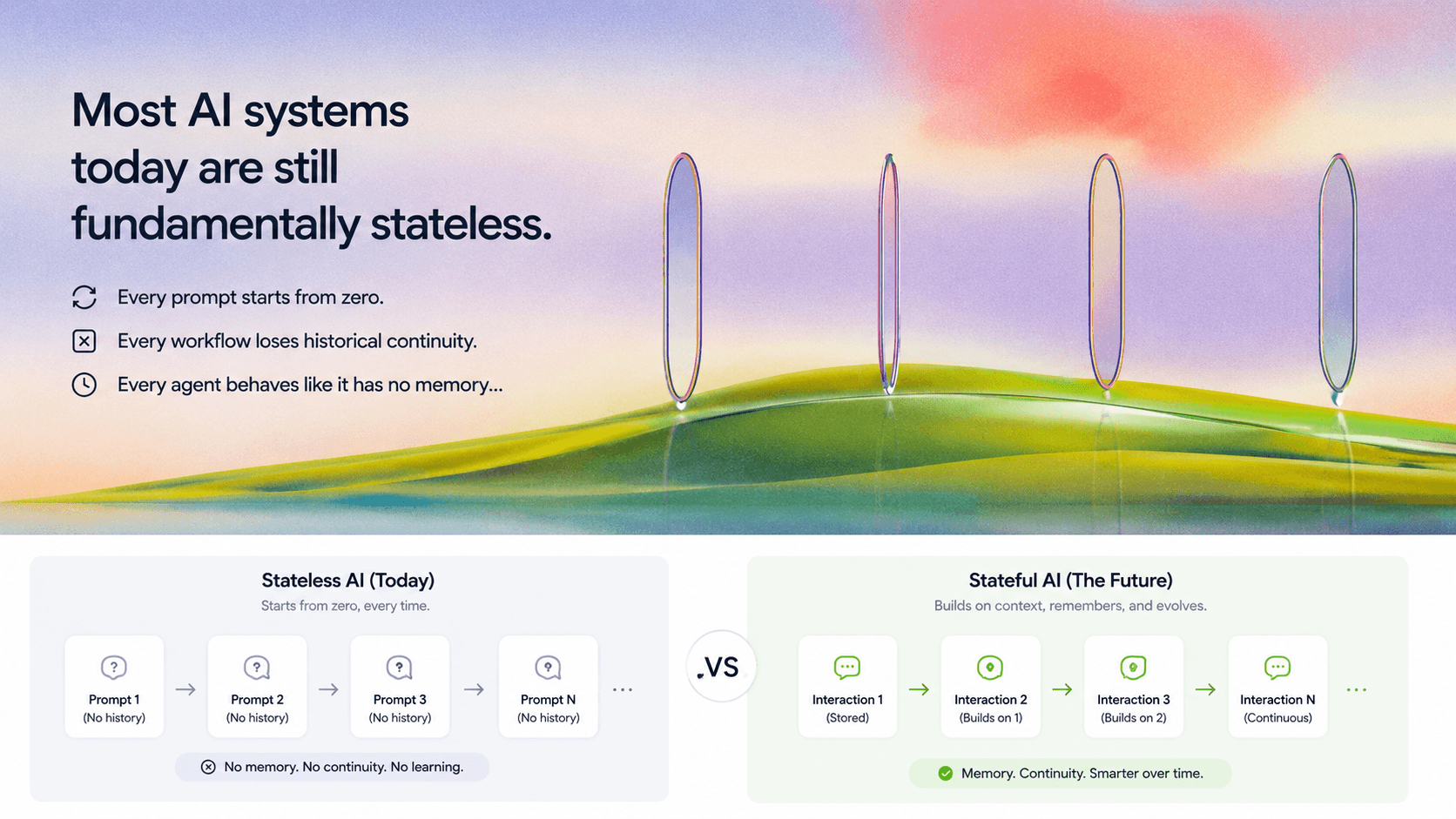
This is the hidden reason why AI products look magical in demos but fragile in production.
Intelligence is no longer the bottleneck.
Persistent understanding is.
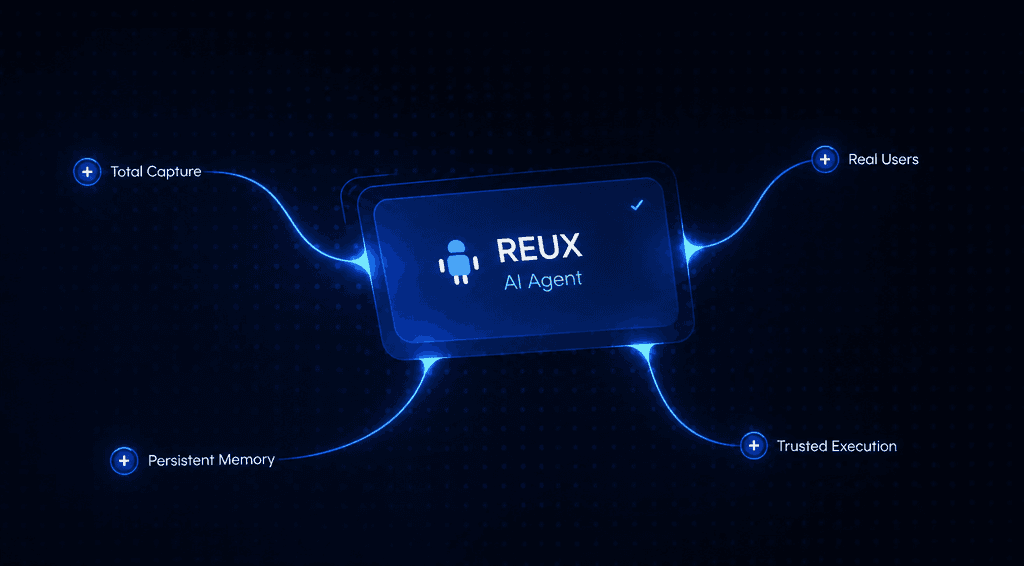
It’s also why I started building ReUX.
Once you see this, the entire AI landscape starts looking different.
The frontier model companies already see it.
Anthropic’s engineering team has published directly on how reliable agents require managed context across long-running interactions.
OpenAI Enterprise is moving into orchestration and operational workflows.
Microsoft Copilot is embedding agents into enterprise operational systems — not as assistants, but as persistent workflow participants.
These aren’t random product expansions.
They are signals of a structural transition.
The first generation of AI companies gave users access to intelligence.
The next generation will give AI systems access to persistent operational context.
That is a fundamentally different layer.
And I think many investors haven’t fully updated their mental model for it.
Because intelligence itself is rapidly becoming infrastructure.
And infrastructure eventually commoditizes.
The real value layer is migrating upward into:
persistent context
workflow continuity
execution memory
accumulated operational understanding
systems that continuously learn from prior state
The moat is moving.
Not from one model company to another.
But from intelligence itself toward persistent context.
The hardest problem in AI is no longer generation.
It’s maintaining understanding after generation.
ReUX is built on exactly this premise — turning post-launch product signals into persistent, executable context that AI agents can actually act on.
Not a one-time analysis.
A continuous loop.
The wrapper question had its moment.
The better question now is:
What does the system continue to understand after the generation step is over?
date published
May 9, 2026
reading time
5 min read